

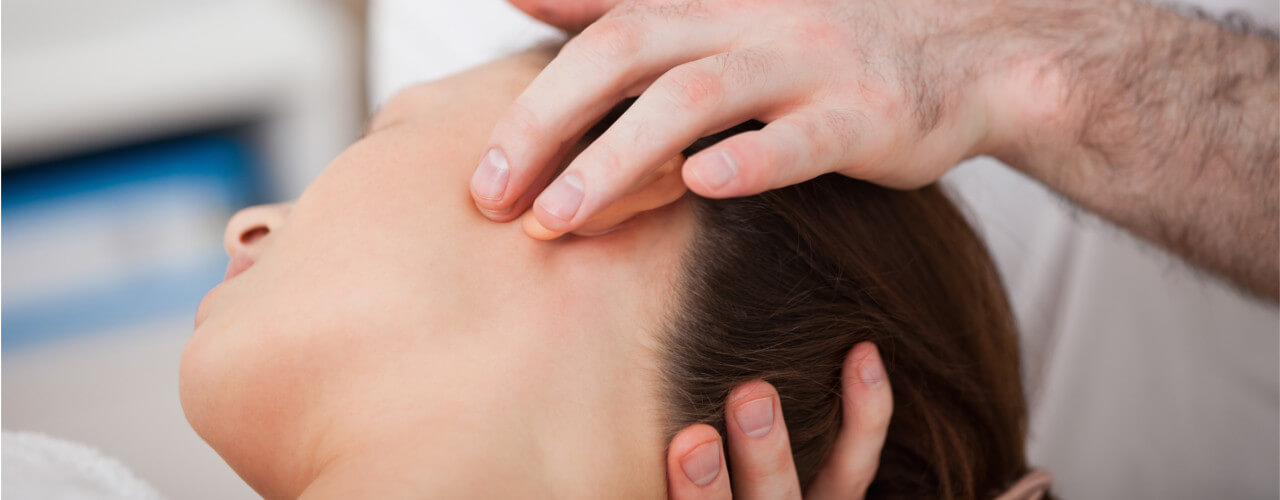
TMJ Disorder Treatment at Nila Dental Studio: Alleviating Jaw Pain and Restoring Function
Temporomandibular Joint Disorder (TMJ disorder or TMD) affects the joints that connect your jaw to your skull, located on each side of the head. This complex joint controls the movement of your jaw, allowing you to speak, chew, and perform other mouth functions. When problems arise in the TMJ, they can lead to pain, discomfort, and difficulty with jaw movement. At Nila Dental Studio, we provide comprehensive evaluation and treatment for TMJ disorders, helping patients find relief from pain and restore normal jaw function.
1. What is TMJ Disorder?
TMJ disorder is a condition that affects the temporomandibular joint, causing pain and restricted movement of the jaw. The disorder can result from various factors, including injury, arthritis, teeth grinding (bruxism), misaligned bite, or chronic stress. TMJ disorders can affect your ability to chew, speak, and even breathe properly, making it essential to seek professional treatment.
2. Symptoms of TMJ Disorder
- Jaw Pain: Pain or tenderness in the jaw joint area, especially when chewing or speaking.
- Headaches: Frequent headaches, migraines, or neck pain related to tension in the jaw.
- Ear Pain: Pain in or around the ear, often mistaken for an ear infection.
- Jaw Clicking or Popping: Audible clicking, popping, or grating sounds when opening or closing the mouth.
- Jaw Locking: Difficulty opening or closing the mouth fully, with the jaw sometimes getting "stuck" in place.
- Facial Pain: Aching in the muscles of the face, especially around the jaw.
- Difficulty Chewing: Discomfort or pain while chewing food, which may feel uneven or misaligned.
- Ringing in the Ears (Tinnitus): In some cases, TMJ disorders can cause a ringing sensation in the ears.
3. Causes of TMJ Disorder
- Jaw Injuries: Trauma or injury to the jaw, head, or neck can lead to TMJ dysfunction.
- Teeth Grinding (Bruxism): Chronic clenching or grinding of teeth, especially during sleep, puts excessive pressure on the TMJ.
- Arthritis: Osteoarthritis or rheumatoid arthritis can affect the TMJ, leading to joint deterioration and pain.
- Stress: Stress can cause muscle tension in the face and jaw, leading to TMJ-related issues.
- Misaligned Bite: A poor bite, where the teeth don’t fit together properly, can cause the TMJ to work improperly.
- Genetics: Some people may have a predisposition to TMJ disorders due to inherited factors related to jaw structure.
4. Diagnosing TMJ Disorder
Diagnosing TMJ disorder involves a comprehensive evaluation of your medical history, symptoms, and a physical examination of the jaw. At Nila Dental Studio, our specialists will:
- Evaluate Jaw Movement: We will assess how your jaw opens and closes, checking for irregularities like clicking or locking.
- Examine Jaw and Facial Muscles: We will palpate (gently press) the jaw muscles to check for tenderness or tension.
- Use Diagnostic Imaging: X-rays, CT scans, or MRI scans may be used to get a detailed view of the TMJ, the surrounding structures, and to rule out other conditions like arthritis or jaw fractures.
- Assess Bite Alignment: We will evaluate how your teeth come together (occlusion) to determine if a misaligned bite is contributing to TMJ symptoms.
5. TMJ Disorder Treatment Options at Nila Dental Studio
The treatment for TMJ disorder depends on the severity of the condition and the underlying causes. At Nila Dental Studio, we offer a range of treatment options to relieve TMJ pain, improve function, and restore quality of life.
Non-Surgical TMJ Treatments
- Lifestyle Modifications: Avoid hard or chewy foods, practice good posture, and reduce stress through relaxation techniques.
- Medications: Over-the-counter or prescription medications may be used to alleviate TMJ symptoms, such as pain relievers, muscle relaxants, or antidepressants.
- Physical Therapy: Jaw exercises and stretches can improve mobility and reduce tension.
- Custom Night Guards and Splints: Oral appliances like night guards can prevent clenching and grinding.
Advanced TMJ Treatments
- Orthodontic Treatment: Braces or aligners to correct bite issues.
- Botox Injections: To relieve jaw tension and pain.
- Dental Restorations: To correct an uneven bite or worn-down teeth.
Surgical TMJ Treatments
- Arthrocentesis: A minimally invasive procedure to remove inflammatory byproducts.
- TMJ Arthroscopy: A camera inserted into the joint to treat internal TMJ issues.
- Open Joint Surgery: For severe cases requiring joint repair or replacement.
6. Home Care Tips for Managing TMJ Disorder
- Apply Heat or Cold Packs: To reduce inflammation or relax muscles.
- Practice Jaw Exercises: Gentle stretching can improve jaw mobility.
- Avoid Hard and Chewy Foods: Stick to soft foods to avoid excessive strain.
- Manage Stress: Relaxation techniques can minimize teeth clenching.
- Sleep on Your Back: To reduce pressure on the jaw.
Contact Us for Emergency Dental Care
If you're experiencing a dental emergency, don't wait! Contact Nila Dental Studio at 8056333923 for immediate care and relief. We're here to help you through any dental crisis with prompt, compassionate, and professional service.