

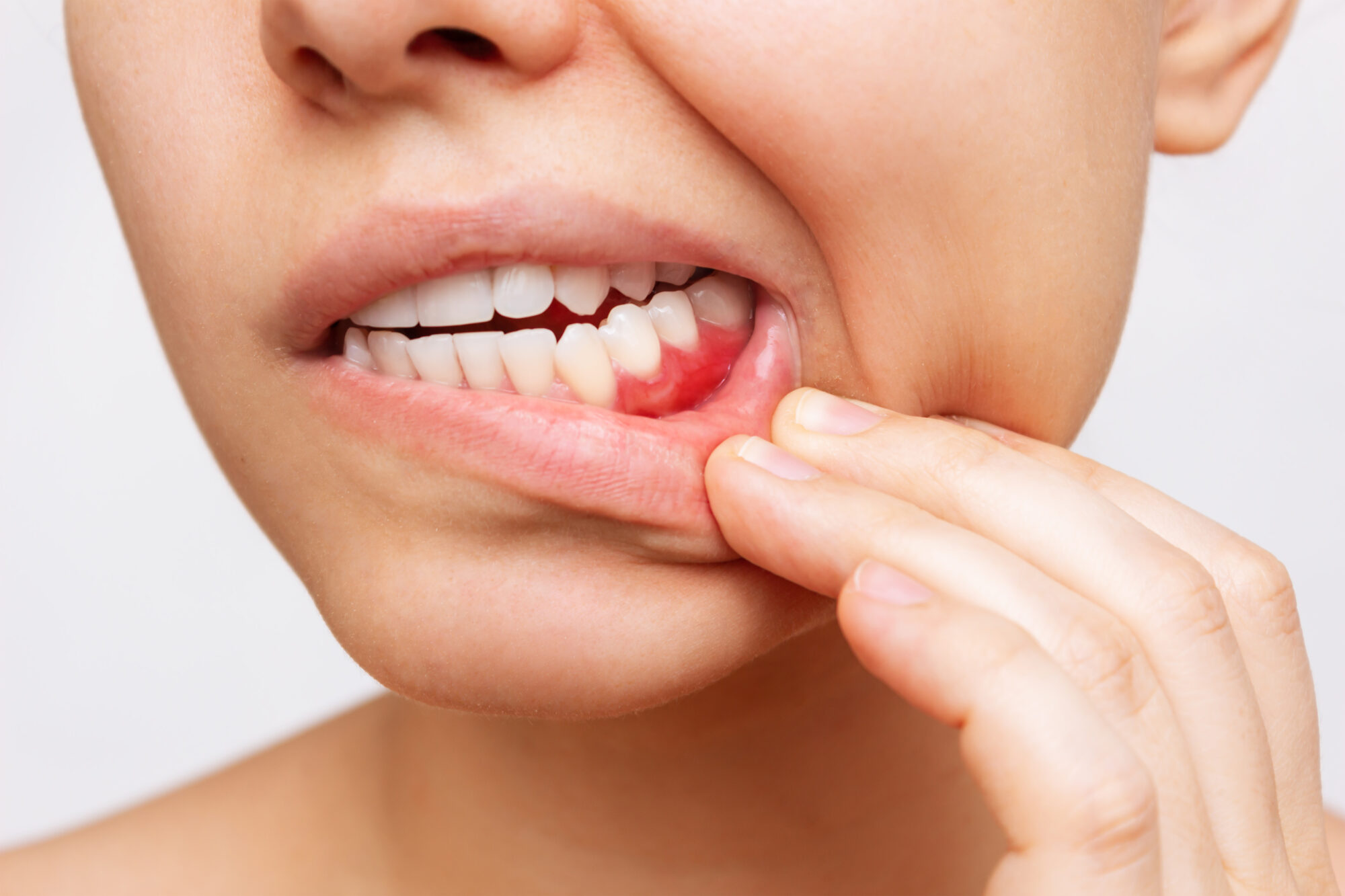
Periodontics (Gum Health) at Nila Dental Studio: Preserving the Foundation of Your Smile
Periodontics is the branch of dentistry that focuses on the health of the gums and supporting structures of the teeth, such as the jawbone. Maintaining healthy gums is essential for overall oral health, as gum disease can lead to tooth loss, bone deterioration, and systemic health issues if left untreated. At Nila Dental Studio, we offer comprehensive periodontal care aimed at preventing, diagnosing, and treating gum disease to preserve the health and stability of your teeth.
Our skilled periodontists and dental professionals use the latest techniques and technologies to manage gum disease and restore gum health. Whether you require routine gum maintenance or advanced surgical procedures, our team provides personalized, patient-centered care.
1. Understanding Periodontal Disease
Periodontal disease, commonly known as gum disease, is a bacterial infection that affects the tissues surrounding the teeth. It typically begins with gingivitis, an inflammation of the gums, and can progress to more severe forms of periodontitis if not addressed. The primary cause of periodontal disease is the buildup of plaque, a sticky film of bacteria, on the teeth and gums. Over time, this plaque hardens into tartar, which can irritate the gums and cause infection.
Types of Periodontal Disease
- Gingivitis: The earliest stage of gum disease, characterized by red, swollen, and bleeding gums. Gingivitis is reversible with proper treatment and good oral hygiene.
- Periodontitis: If left untreated, gingivitis can progress to periodontitis, where the infection spreads to the deeper tissues and bone that support the teeth. Periodontitis can cause gum recession, bone loss, and eventually tooth loss.
2. Symptoms of Gum Disease
- Red, swollen, or tender gums
- Bleeding gums, especially when brushing or flossing
- Persistent bad breath (halitosis)
- Receding gums or longer-looking teeth
- Loose or shifting teeth
- Pain when chewing
- Pus between the teeth and gums
- Changes in your bite or the fit of dentures
3. Periodontal Treatments at Nila Dental Studio
At Nila Dental Studio, we offer a range of periodontal treatments to address all stages of gum disease, from preventive care to advanced surgical procedures.
Non-Surgical Periodontal Treatments
- Professional Dental Cleanings: Essential for removing plaque and tartar buildup that can’t be addressed with brushing and flossing alone.
- Scaling and Root Planing (Deep Cleaning): A non-surgical procedure to clean the roots of the teeth below the gum line, helping to reduce inflammation and prevent further progression of periodontal disease.
- Antibiotic Therapy: In some cases, topical or systemic antibiotics may be recommended to reduce bacterial infection and promote healing.
Surgical Periodontal Treatments
- Gum Grafting: Used to treat gum recession, covering exposed roots and improving the appearance of the smile.
- Pocket Reduction Surgery (Flap Surgery): Reduces deep pockets between teeth and gums, promoting healing and reducing bacteria buildup.
- Bone Grafting: Adds bone material to areas affected by bone loss, supporting the teeth and dental implants if necessary.
- Guided Tissue Regeneration (GTR): Stimulates the growth of new bone and gum tissue to promote healthy regeneration.
- Crown Lengthening: Reshapes the gum tissue to expose more of the tooth structure for restorative or cosmetic purposes.
4. The Importance of Gum Health
Gum disease not only affects your oral health but also has serious consequences for overall health. Conditions such as cardiovascular disease, diabetes, respiratory disease, and pregnancy complications have been linked to gum disease.
5. Preventing Gum Disease
The best way to prevent gum disease is to practice good oral hygiene and schedule regular dental checkups. Brush twice a day, floss daily, use an antimicrobial mouthwash, and visit Nila Dental Studio regularly for cleanings and checkups.
The effectiveness of teeth whitening depends on various factors, including the method used, the cause of discoloration, and the individual's teeth. In-office whitening treatments generally provide the most noticeable results.
It's important to note that teeth whitening is not permanent. Avoiding staining foods and maintaining good oral hygiene can help prolong the effects.